
How AI in Home Healthcare is Transforming Patient Care and Clinic Operations
In recent years, the integration of artificial intelligence (AI) into healthcare has sparked a profound transformation, particularly in the realm of home health care. This evolution is not merely a technological upgrade; it represents a fundamental shift in how healthcare providers deliver services, manage patient data, and engage with patients outside traditional clinical settings. As AI continues to mature, its applications in home healthcare are becoming increasingly sophisticated, offering unprecedented opportunities to enhance patient outcomes, streamline clinical workflows, and improve financial sustainability for primary healthcare providers and clinics.
The Growing Role of AI in Home Healthcare
AI in home healthcare is reshaping the landscape by enabling more personalized, efficient, and proactive care delivery. Through advanced algorithms, machine learning, and data analytics, AI systems can analyze vast amounts of patient data to identify patterns, predict health risks, and recommend tailored interventions. This capability is particularly valuable in managing chronic conditions, where continuous monitoring and timely adjustments to treatment plans are critical.
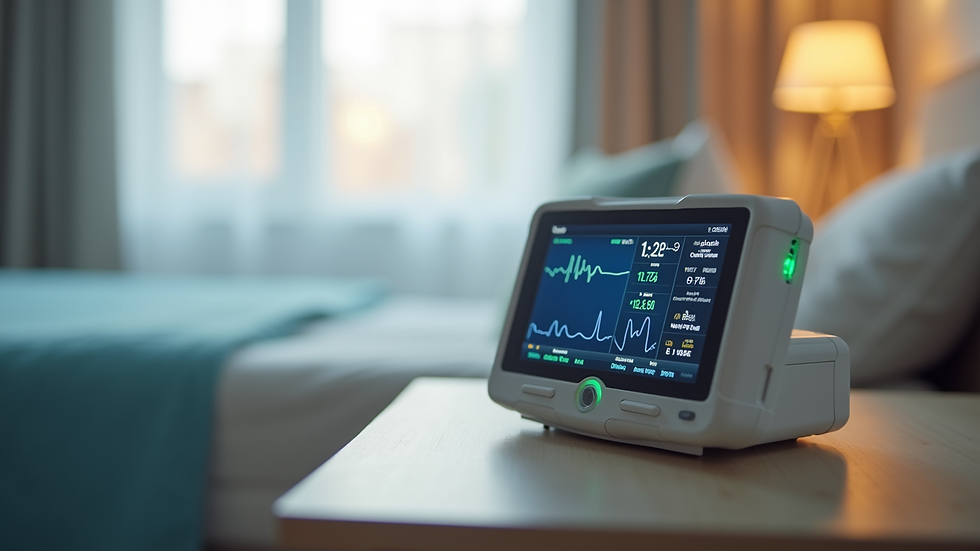
For example, AI-powered remote monitoring devices can track vital signs such as heart rate, blood pressure, and glucose levels in real time. These devices alert healthcare providers to any anomalies, allowing for immediate intervention before complications arise. This proactive approach not only improves patient safety but also reduces hospital readmissions and emergency visits, which are costly and disruptive for both patients and clinics.
Moreover, AI-driven virtual assistants and chatbots are enhancing patient engagement by providing 24/7 support, answering health-related queries, and reminding patients to take medications or attend appointments. This continuous interaction fosters adherence to treatment plans and empowers patients to take an active role in their health management.
How AI in Home Healthcare Streamlines Clinical Operations
Beyond patient care, AI is revolutionizing the operational side of home healthcare services. Clinics and primary healthcare providers face numerous challenges, including managing large volumes of patient data, coordinating care teams, and ensuring compliance with regulatory requirements. AI technologies offer practical solutions to these challenges by automating routine tasks, optimizing resource allocation, and enhancing decision-making processes.
One significant advantage is AI's ability to process and organize electronic health records (EHRs) efficiently. Natural language processing (NLP) tools can extract relevant information from unstructured clinical notes, enabling faster and more accurate documentation. This reduces administrative burdens on healthcare professionals, allowing them to focus more on direct patient care.
Additionally, AI-powered scheduling systems can optimize appointment bookings and home visit routes, minimizing travel time and maximizing the number of patients served. Predictive analytics can forecast patient demand, helping clinics allocate staff and resources more effectively. These improvements contribute to smoother operations, reduced costs, and better patient experiences.
Furthermore, AI can assist in financial management by identifying billing errors, detecting fraud, and providing insights into revenue cycles. This financial intelligence supports clinics in maintaining fiscal health while delivering high-quality care.
What is home health care?
Home health care refers to a range of medical and supportive services provided in a patient's residence, designed to promote recovery, manage chronic illnesses, and maintain overall well-being. These services often include nursing care, physical therapy, medication management, and assistance with daily activities. The goal is to enable patients to receive professional care in the comfort of their own homes, reducing the need for hospital stays or long-term institutionalization.
The integration of AI into home health care enhances these services by enabling continuous monitoring, personalized treatment plans, and timely interventions. It also facilitates better communication between patients, caregivers, and healthcare providers, ensuring that care is coordinated and responsive to changing needs.

Practical Applications of AI in Home Healthcare
The practical applications of AI in home healthcare are diverse and rapidly expanding. Some of the most impactful uses include:
Remote Patient Monitoring (RPM): AI-enabled devices collect and analyze health data continuously, alerting providers to potential issues before they escalate.
Predictive Analytics: By analyzing historical and real-time data, AI predicts disease progression and identifies patients at high risk, enabling preventive care.
Virtual Health Assistants: These AI tools provide patients with reminders, health education, and emotional support, improving adherence and satisfaction.
Medication Management: AI systems track medication schedules, detect potential drug interactions, and remind patients to take their prescriptions.
Care Coordination: AI platforms facilitate communication among multidisciplinary teams, ensuring seamless transitions and comprehensive care plans.
Implementing these technologies requires careful planning, including staff training, data security measures, and integration with existing clinical systems. However, the benefits in terms of improved patient outcomes and operational efficiency are substantial.
Embracing AI to Revolutionize Patient Care and Clinic Success
The integration of AI into home health care is not just a technological advancement; it is a strategic imperative for primary healthcare providers and clinics aiming to elevate the quality of care while optimizing their operations. By harnessing AI's capabilities, clinics can deliver more personalized, timely, and effective care, ultimately enhancing patient satisfaction and health outcomes.
Moreover, AI-driven efficiencies in data management, scheduling, and financial oversight empower clinics to operate more sustainably and competitively in an evolving healthcare landscape. The journey toward fully realizing AI's potential in home healthcare involves continuous innovation, collaboration, and a commitment to patient-centered care.
As the healthcare sector continues to embrace AI, it is clear that this technology will play a pivotal role in shaping the future of home health care, transforming how providers manage patient information, engage with patients, and deliver care that is both compassionate and cutting-edge.



Comments